Radiologic technologists (also known as radiographers, rad techs, or X-ray techs) play a crucial role by producing the diagnostic images that doctors rely on to diagnose injuries, evaluate disease, and guide treatment plans.
Whether you’re a student or graduate of ACC’s Radiography program or you’re simply curious about working in the field, this career resource provides an overview of pursuing a rewarding career as a radiologic technologist.
You can also review our career guide on becoming a radiologic technologist in California.
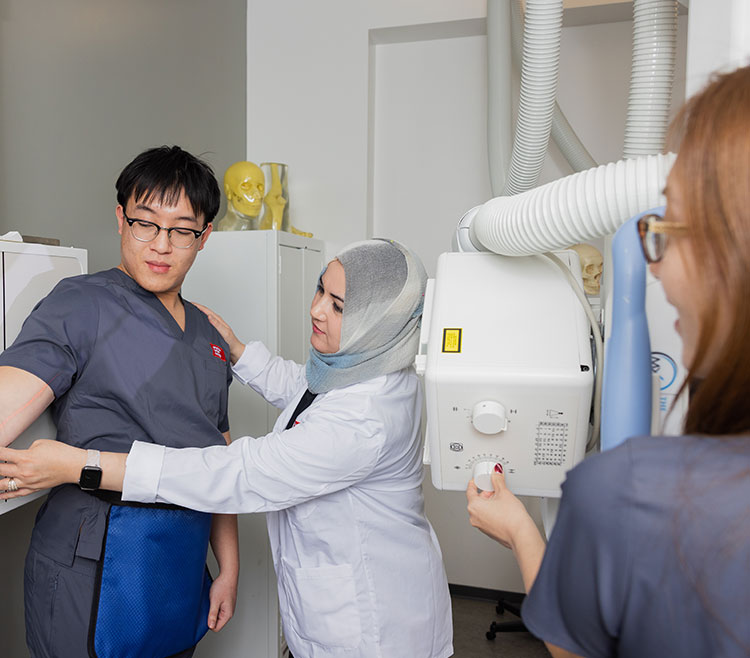
Radiologic technologists are skilled healthcare professionals responsible for performing diagnostic imaging procedures such as X‑rays, computed tomography (CT) scans, and other imaging exams used to evaluate patient health. They work closely with radiologists and other healthcare team members to ensure images are accurate and patients are safe and comfortable throughout the process.
Depending on your credentials, work setting, and specialization, you may see job titles like:
Specialization requires additional certification or training beyond entry‑level radiography.
The day-to-day responsibilities of a radiologic technologist will depend on the specific work environment and other factors. In general, radiologic technologists are tasked with:
Successful billing and coding specialists demonstrate:
For more information, see the O*NET Occupational Profile for Radiologic Technologists and Technicians.
In interviews, you may be asked:
Use examples from your clinical rotations to demonstrate your technical competence and patient care approach.
Everyone’s career trajectory is unique. As you gain experience, you might:
Include your radiography degree, certification or licensure status, clinical rotation experience across imaging modalities, safety practices, and any specialized imaging skills you’ve developed.
Most employers require graduation from an accredited radiography program and national certification (e.g., through ARRT). Many states also require licensure to practice.
Radiologic technologists work in hospitals, outpatient imaging centers, clinics, and specialty healthcare settings. They may also serve on mobile imaging teams or in emergency departments.
ACC’s Career Services department is here to support you with resume reviews, job‑search guidance, interview prep, and professional networking opportunities tailored to the radiography field.

Ontario Campus: Voted Best Career College in the 2025 Inland Valley Daily Bulletin Readers Choice Awards.

LA Campus: Voted Best Career College in the 2025 LA Daily News Readers Choice Awards.

OC Campus: Voted Best Career College in the 2025 San Gabriel Valley Tribune Readers Choice Awards.